 01
01
Harvest
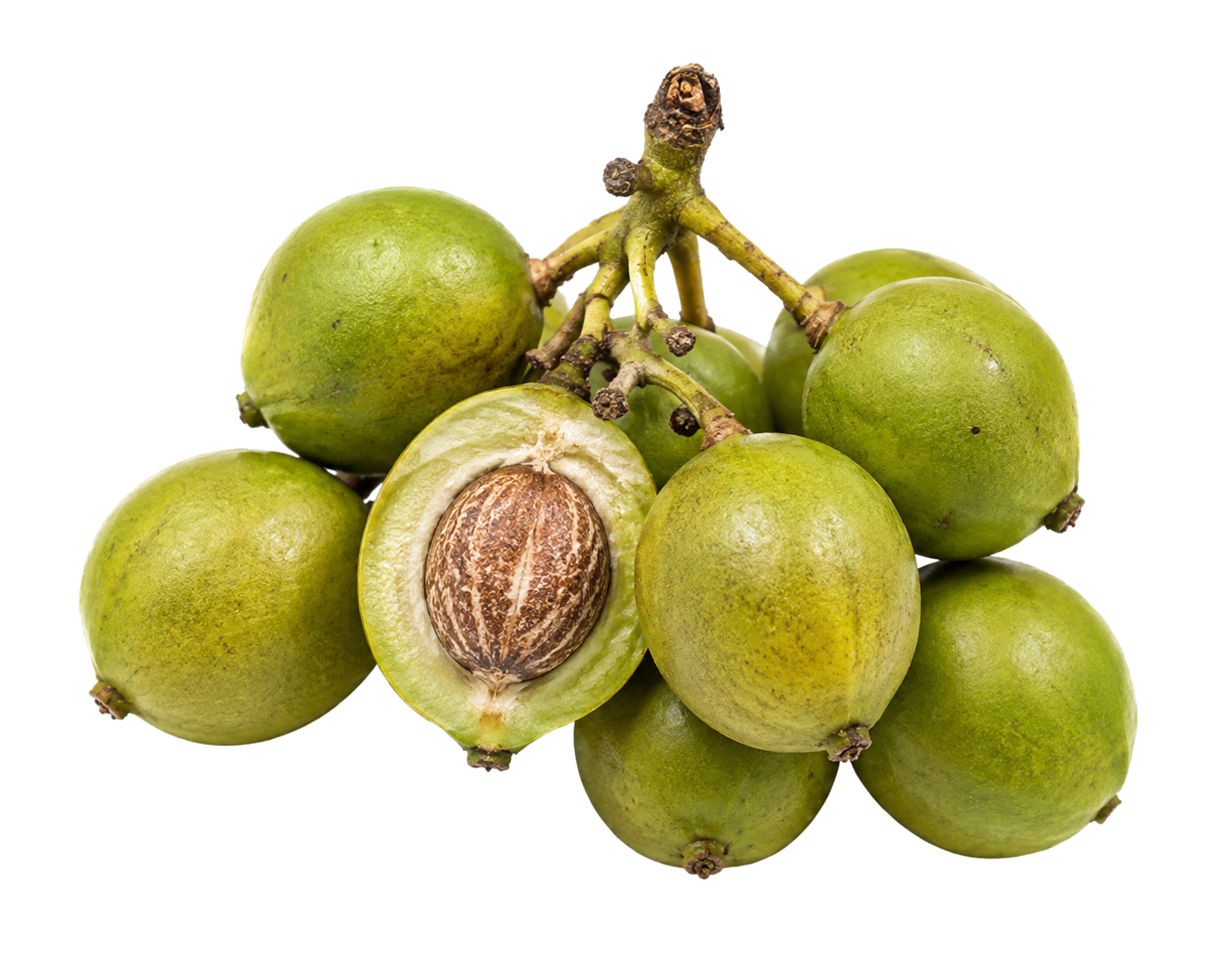
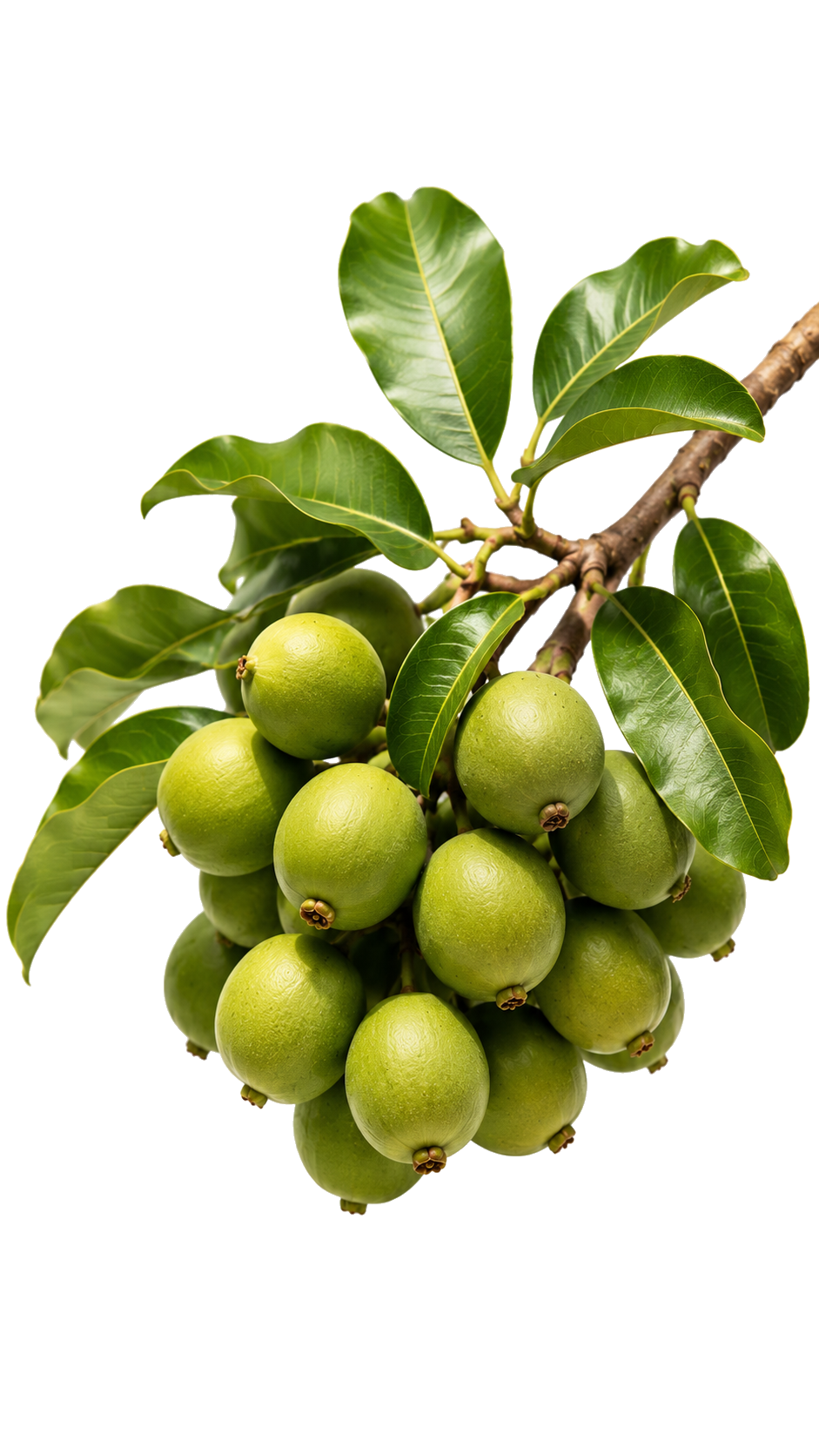
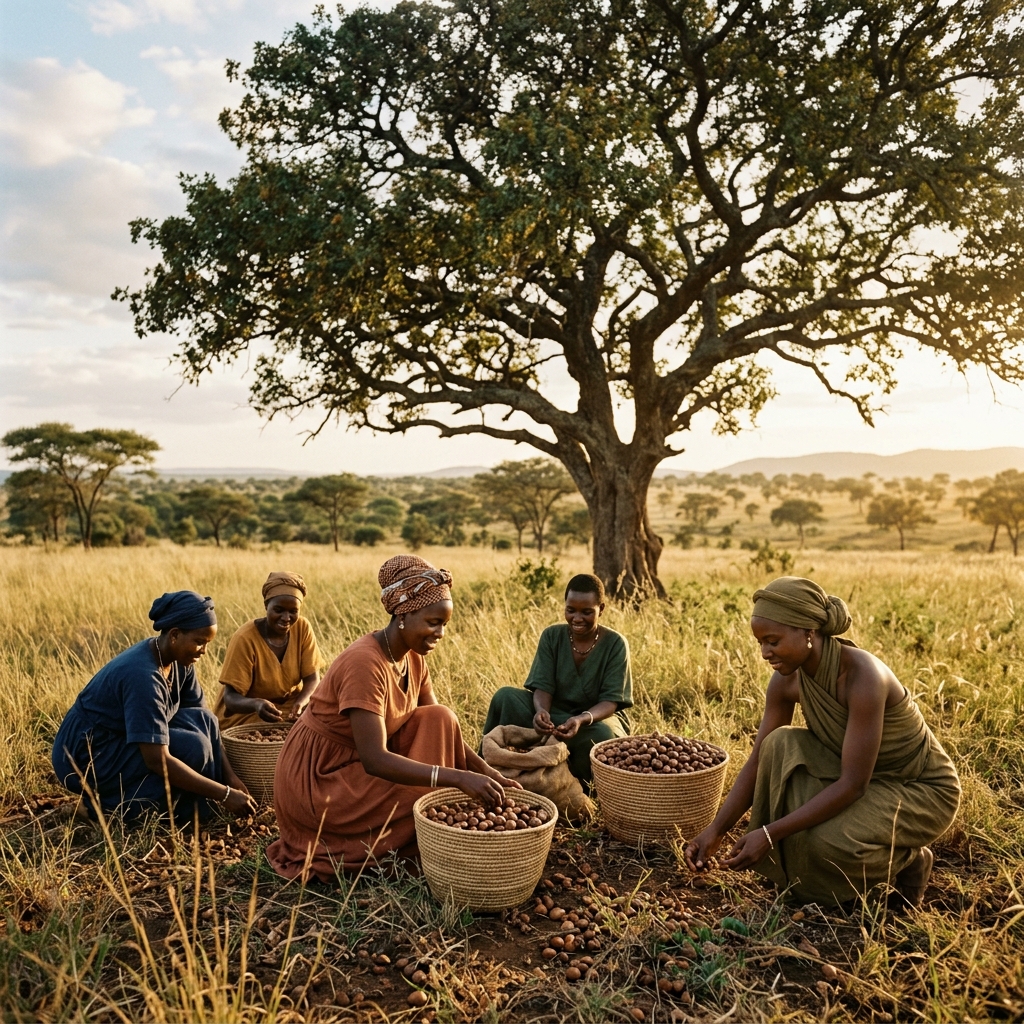
Shea nuts are gathered in season from Uganda's shea-growing areas. The best butter starts with good nuts and careful handling.
Pure Ugandan Nilotica Shea Butter
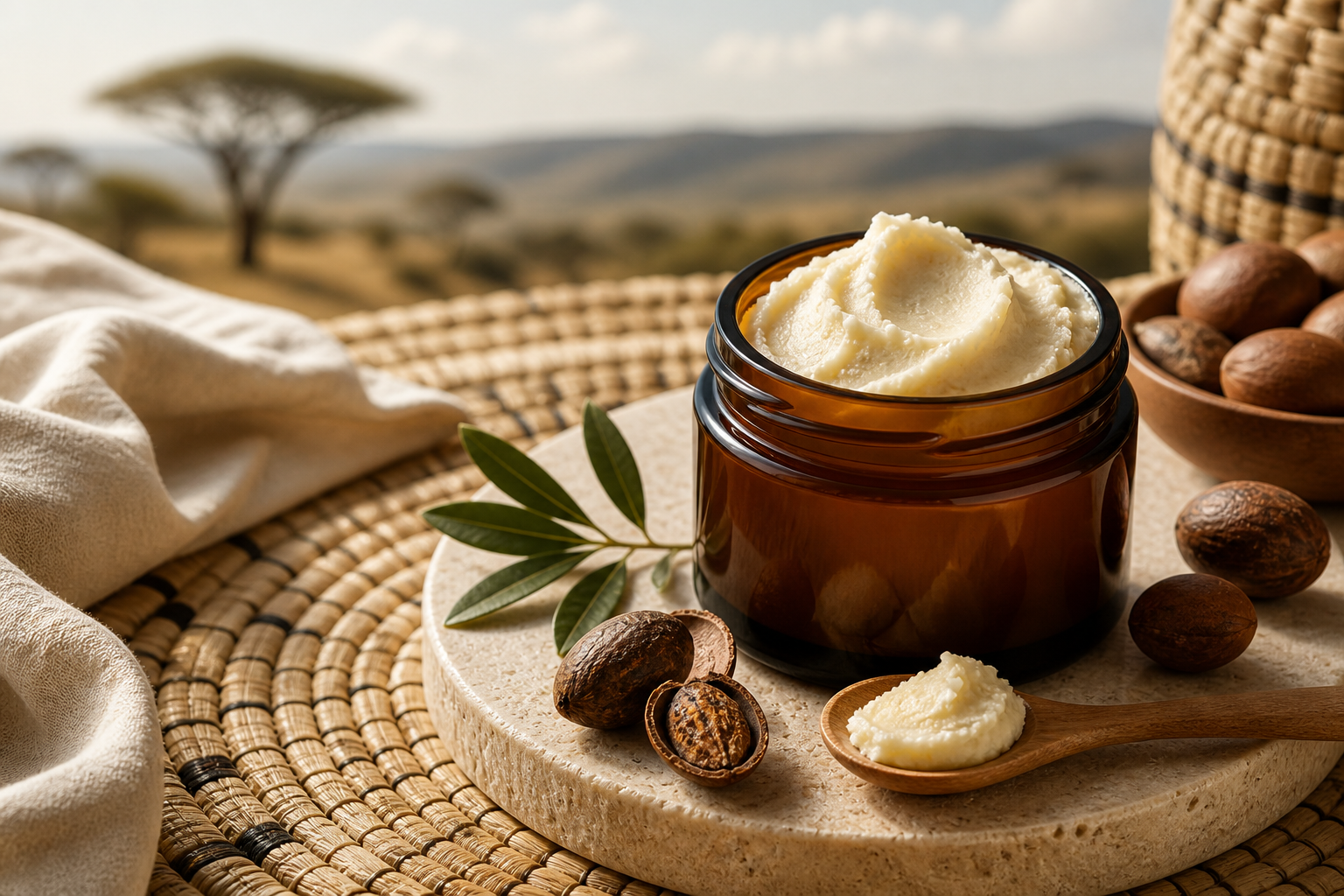
Zuri Nilotica begins in Uganda, where Nilotica shea trees produce a naturally soft butter that feels rich, smooth, and easy to use on dry skin and hair.
What to know
Nilotica shea grows in East Africa, including parts of Uganda. Compared with many heavier shea butters, it is loved for a softer, creamier feel that warms quickly in the palm and melts easily into skin and hair.
That is why Zuri Nilotica can stay simple. The texture already feels special, so the formula does not need added fragrance, filler, or unnecessary extras.
Before it reaches your bathroom shelf, the shea nuts are collected, sorted, dried, and prepared with care. That process helps protect the soft texture customers look for.
From tree to butter
01
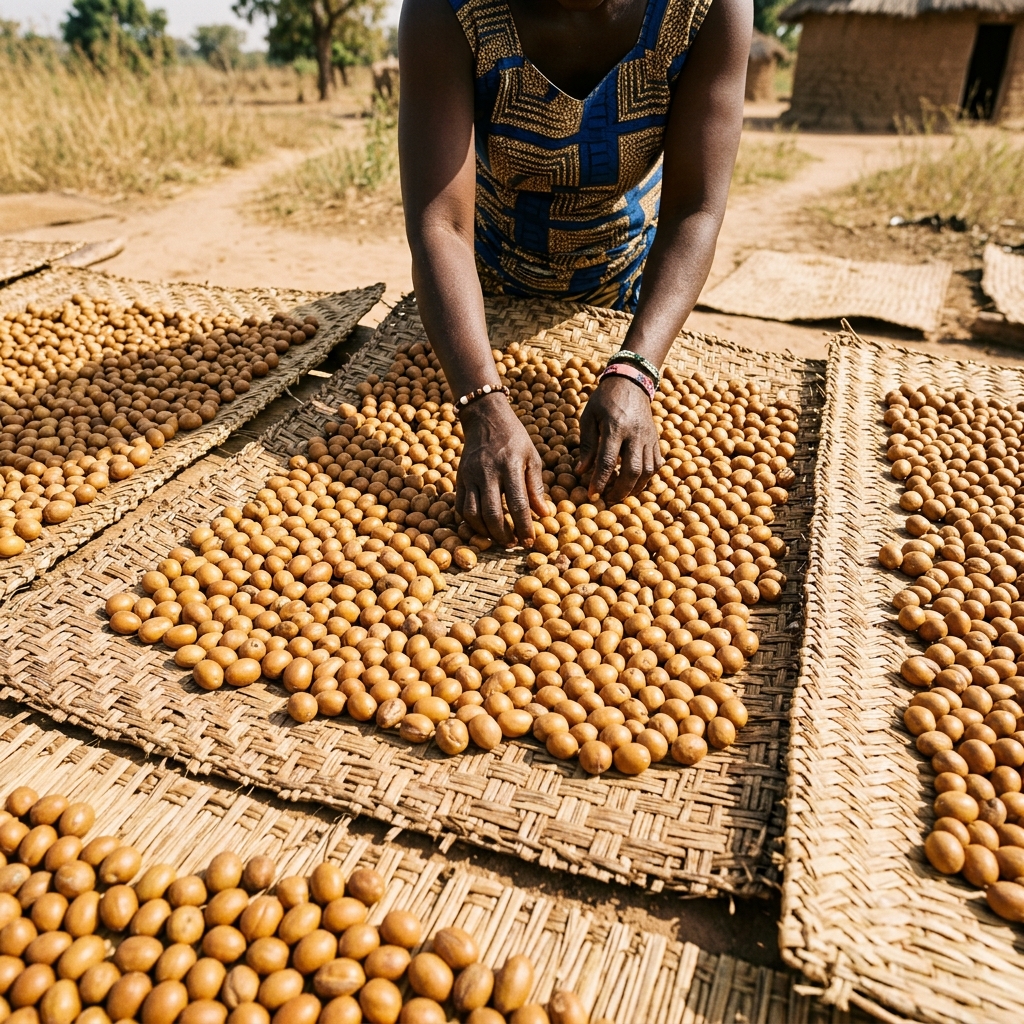
Shea nuts are gathered in season from Uganda's shea-growing areas. The best butter starts with good nuts and careful handling.
 02
02
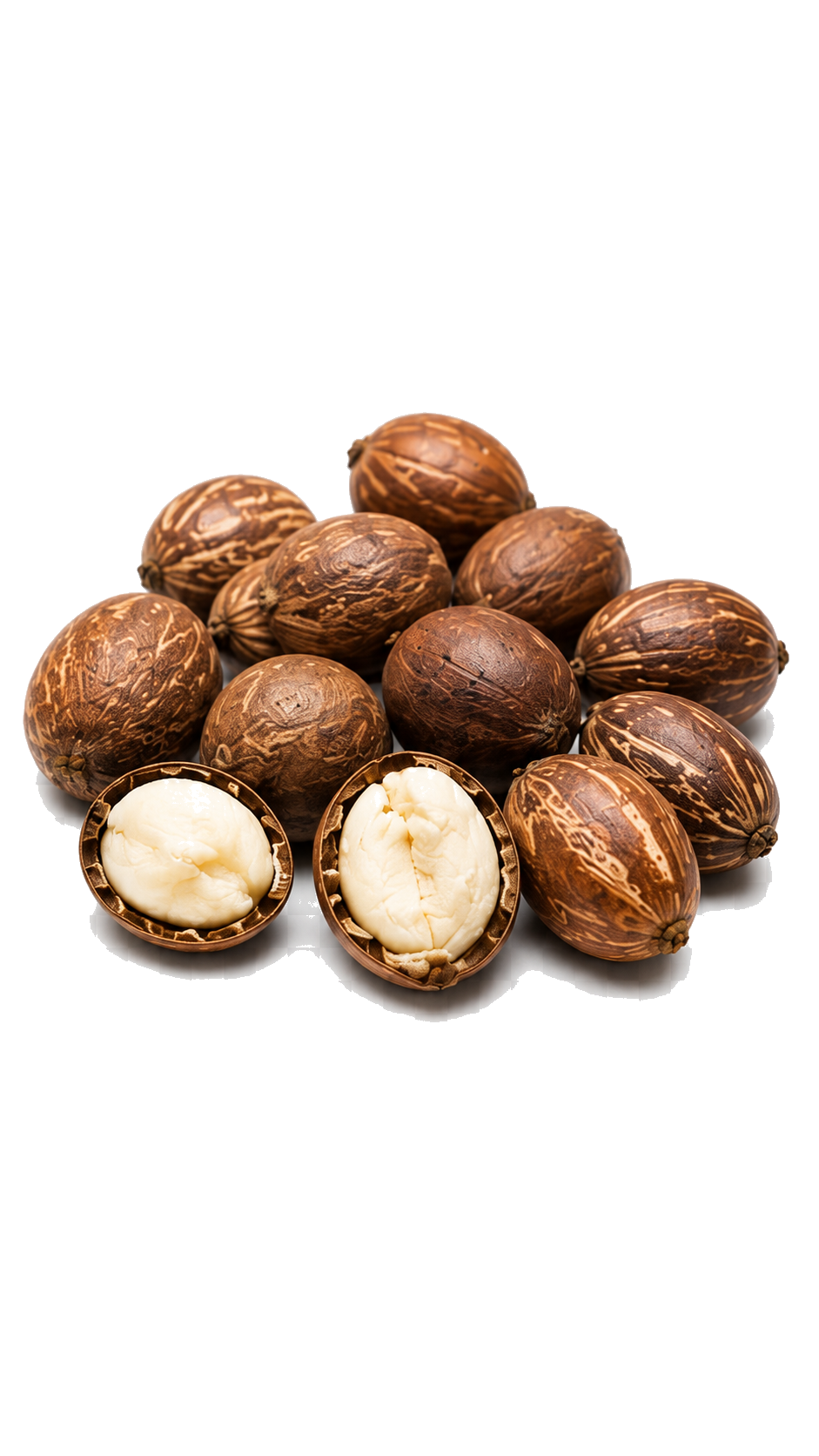
The nuts are cleaned, sorted, shelled, and dried. This helps the butter keep its natural character without unnecessary additives.
 03
03
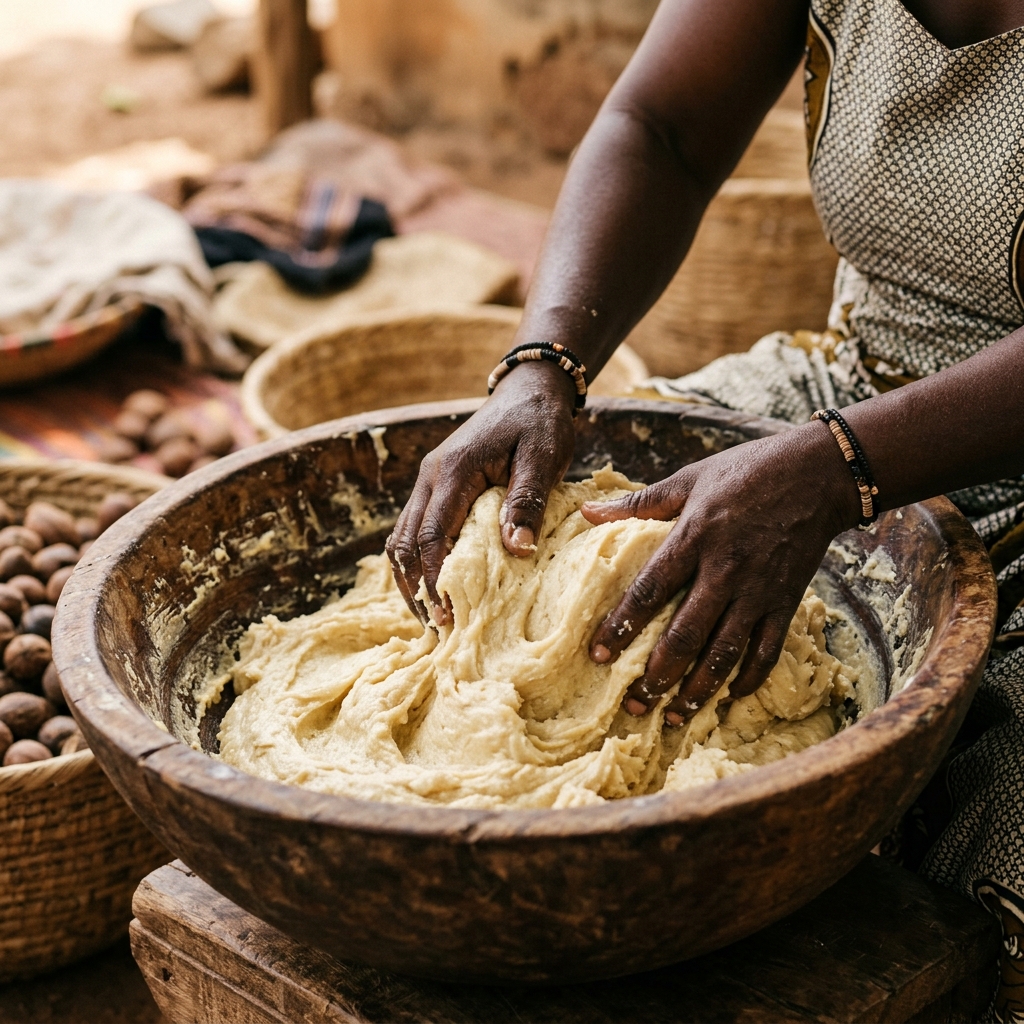
The butter is prepared simply and stored carefully, so the finished product keeps the creamy Nilotica feel people choose it for.
Why the tree matters
Shea butter only exists because shea trees continue to grow and produce fruit. Protecting those trees protects future harvests and keeps the source alive.
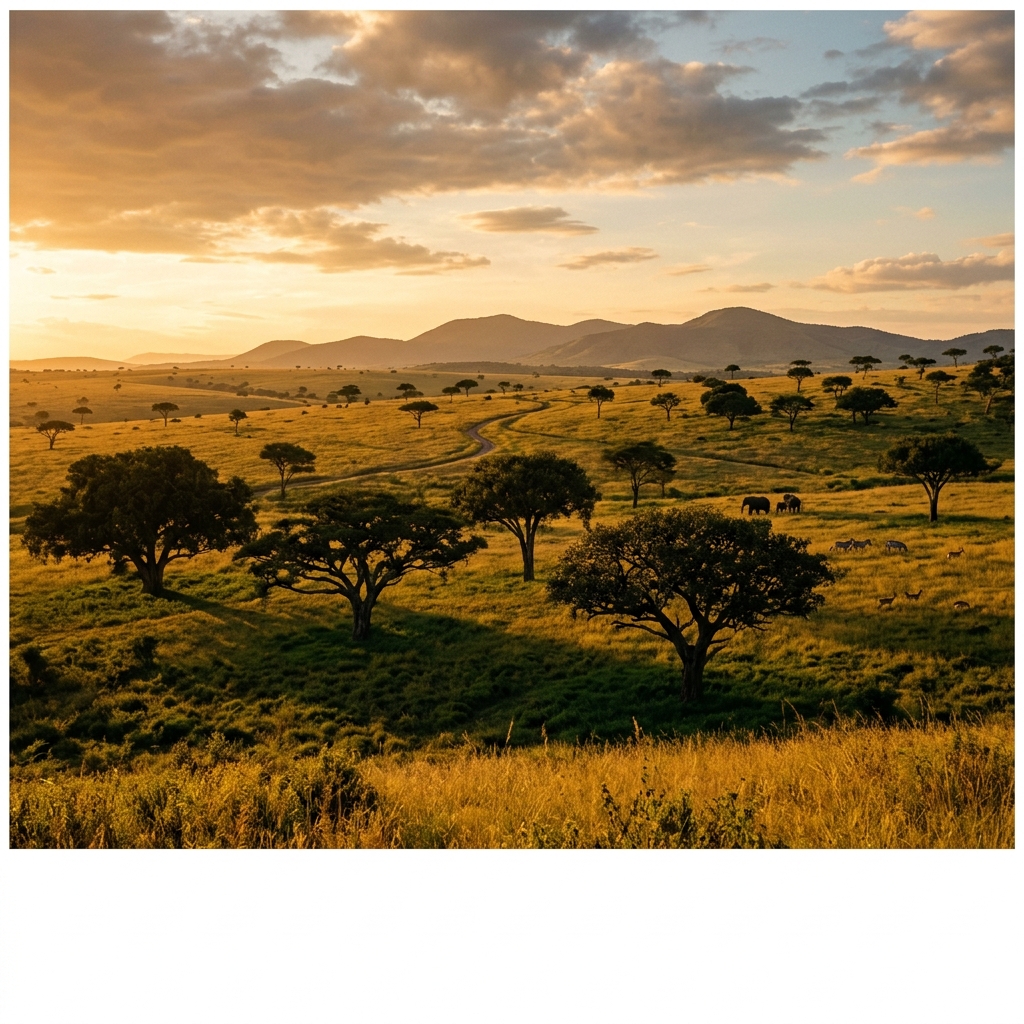
Across Northern Uganda, shea trees can be threatened by charcoal burning, land pressure, and careless harvesting. We want customers to understand that a good shea product begins with respect for the tree.
When you choose Zuri Nilotica, you are choosing more than a moisturizer. You are choosing a product with a real place behind it.
You know the butter comes from Uganda and why Nilotica shea has a softer, creamier feel.
Shea nuts are collected, sorted, dried, stored, and prepared by people who understand the harvest.
Healthy shea trees mean future harvests, better butter, and a source that can continue.
Why we share the source
Good skincare should not feel mysterious. The shea tree produces the nut. The nut is cleaned, dried, and prepared. The butter is kept simple so its natural texture can shine.
We share the source because customers deserve to know what they are putting on their skin, why it feels different, and why Ugandan Nilotica shea is worth choosing.
Ready for the ritual